Showing posts with label natural landscape. Show all posts

Thursday, November 26, 2009

WEST BALI NATIONAL PARK

West Bali National Park is the only national park on the island of Bali in Indonesia.
West Bali National Park (Taman Nasional Bali Barat in Bahasa Indonesia) is the most north-westerly point of Bali. It includes the whole of the Prapat Agung Peninsula and large swathes of land around the towns of Gilimanuk, Cekik and Banyuwedang. The official area inside the park boundaries is 190 square kilometres with a further 580 square kilometres of protected reserve in the highlands to the east. In total this accounts for some ten percent of Bali's total land area.
Historical background

The park was first officially recognised as an area of importance in 1917 when the council of Bali rulers designated it as a nature park. It was fully established as an Indonesian National Park in 1941.

Geography

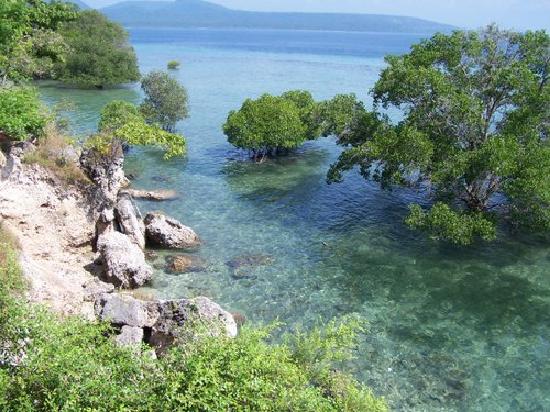
The habitat is very varied with rainforest, dry savanna, acacia scrub and lowland forests as well as more montane forests in the higher centre. There are also some pockets of dense mangrove forest.

In the north of the park there is an obvious north jutting peninsula called Prapat Agung. Around this peninsula there are long stretches of protected beach and offshore coral reef as well as a small offshore island called Menjangan. The latter is a very popular diving destination.

There are several long extinct volcanoes in the protected reserve area to the east with Mount Patas (1,412 metres) and Mount Merbuk (1,388 metres) being the highest points. These peaks are dominant visual landscape features from within every area of the park.

Flora and fauna

One hundred and sixty species of bird have been recorded in the park including the near extinct Bali Starling, Bali's only endemic vertebrate species and a key reason why this national park was created in the first place. By 2001, as few as 6 individuals were thought to survive in the wild, all of them in this park. Since then captive breeding and re-introduction efforts have continued apace but poaching pressures are a large problem. With that in mind, a 2nd re-introduction programme was started in remote regions of Nusa Penida in 2004. Keen birdwatchers can find a checklist of likely species and their status here.

Mammals found inside the park include Banteng, a species of wild cattle from which the familiar Bali cows are descended. Java Rusa and Indian Muntjac deer are quite widespread and Menjangan Island is in fact named after these (Menjangan means deer in Bahasa Indonesia). Wild Boar and Leopard Cats are both quite common but seldom encoutered.

A Bali Tiger (a full sub-species of Tiger) was shot here in 1937 and despite rumours to the contrary, that is the last ever confirmed sighting of an animal considered extinct since that moment.

Weather

Not noticeably different from that in the rest of Bali or eastern Java but it may feel a little hotter and drier in the dry season here than in southern parts of Bali.

Bali is always warm, humid and tropical, remaining around 30-35°C (85-95°F) all year round. The April-October dry season and November-March rainy seasons are only relative, with plenty of rainfall around the year, but the Balinese winter is cloudier, more humid and with a higher chance of thunderstorms.
Bali Barat National Park Office, Jl Raya Cekik-Gilimanuk, Jembrana, Bali 82253, ☎ +62 365 61060 (tnbb@telkom.net), fax: +62 365 61479).

How to Get in

Most visitors to the park arrive along the north coast road from Lovina (about 90 minutes) or Pemuteran (about 15 minutes). Others come from the south via Gilimanuk (about 15 minutes)

All visitors should check in at one of the two park offices (PHPA) for information and to purchase permits and arrange guides. The headquarters is at the village of Cekik just south of the Gilimanuk in the west. The other is at Labuan Lalang on the north coast from where boats to Menjangan Island depart. The main ranger station is on the road between the two offices at Sumber Klampok.
The park staff are welcoming, helpful and will arrange guided tours for you.

Fees/Permits

Permits and obligatory guides are available at the park headquarters at Cekik and the office at Labuhan Lalang. The official permit charge is now Rp 25,000 per person. The cost of a guide is a bit of a mystery (no surprise there for regular visitors to Indonesia!) so please use your common sense and do not be tight. A sensible range would be about Rp 450,000 to 630,000 for a full day and about Rp 200,000 for a 2 hour hike.

How to go around

Only a small percentage of the total area of the park is open to visitors and this rule must be respected. There are two key ways to explore the park: hiking the trails or concentrating on marine aspects.

Walking the trails must be done with an official guide from one of the national park offices (most normally the one at Cekik). Boat trips to Menjangan and around Gilimanuk Bay can be organised in advance (ask at your hotel) or by charter on the day you arrive.

What you can see

The official park trails should be explored with a guide recommended by the national park ofice. This is actually a rule but it is sometimes 'quietly' ignored. Please do not do this nor encourage the practice despite the very irresponsible advice given in some printed travel guides to do so. If you are unwilling to pay reasonable guide fees, then do not come here.

The Tegal Blunder Trail is most popular with birdwatchers and it is an easier 2 hour walk. The ranger checkpoint is at the village of Slumber Klampok about 20 minutes west of Cekik. From the same checkpoint you can take the more strenuous Gunung Klatakan Trail to the south east. Tougher walking for about 5 hours but it takes you through some memorable rainforest. There are other trails and opportunities for interesting hikes but these are the two most popular and the easiest. Ask guides about other opportunities at the time particularly those involving hiking deeper into the Prapat Agung Peninsula.

The uninhabited Menjangan Island is a must-do for any visitor to Bali interested in marine life, snorkelling or diving. Boats leave from the beach at Labuan Lalang at the northern edge of Teluk Terima bay and can chartered on the day. Groups of tourists often club together at Labuan Lalang in the mornings for that very purpose. Any boat charter must be accompanied by a guide and you must purchase a permit (Rp 25,000 per person) from the national park office in the main Labuhan Lalang car park.

Many of Bali's dive operators based in the southern tourist regions offer dive excursions specifically to Menjangan. The snorkelling here is probably the best on Bali with good clear water and calm seas.

There is a notable temple on Menjangan called Puri Gili Kencana which is certainly worth a visit. You can walk around the whole of Menjangan in about 1 hour and 15 minutes. If you take it slower though there is plenty of natural coastal beauty to absorb.

Gilimanuk Bay snakes into the south western tip of the Prapat Agung peninsula and the park office can arrange a guided boat trip for you in a traditional outrigger. The bay is quiet and supports a rich diverstity of marine life. There are some notable areas of mangrove forest fringing the bay.

What can we do

Aside from hiking and birding on the trails, the tropical waters surrounding the park are full with activities, ranging from snorkelling and scuba diving to sailing in a simple traditonal outrigger. The crystal clear waters around Menjangan Island are some of the best for diving, and you can arrange a trip there with local dive operators in Pemuteran (just 10 km to the east) or at almost any dive centre on the island, given sufficient notice. For an easy boat trip, take a boat tour of Gilimanuk Bay with a guide from the national park office.

Souvenir

This region of Bali is not particularly known for its shopping :)

Looking for Food

Aside from the Waka Shorea luxury resort there is nowhere to eat in the national park. Bring food in with you.

If you arrive along the north coast road, there are lots of hawker stalls at Labuhan Lalang. If coming from Gilimanuk there are many restaurants, small shops and hawker stands in the town and around the national park headquarters.

Looking for Drink

There is nowhere inside the national park to purchase any drinks including water. Bring in ample water with you.

Lodging

There is one official high end resort inside the boundaries of the national park on the Prapat Agung peninsula. There is no other accommodation inside the park. Visitors on a lower budget day trip the park from Gilimanuk, Pemuteran or Lovina where there are ranges of accommodation to suit all budgets.

There is popular budget accommodation about 2 km north of the Cekik park headquarters on the road to Gilimanuk called Pondok Wisata Lestari, tel: +62 365 61504.
Waka Shorea, ☎ 62 361 484085 (info@wakaexperience.com). Just 16 rooms at this luxury resort which offers a full range of national park based activities. In-house spa, superb restaurant and everything else you would expect at a 5 star resort. from US$ 185.

Camping

Not permitted inside the national park.

Backcountry

Nothing available inside the national park.

Stay safe

Bring plenty of water with you as you will dehydrate quickly.

Get out

If you are exploring the park via a base in the north west (Pemuteran or Lovina) then you may wish to continue your journey around Bali to the south and west via Gilimanuk. The reverse is of course also the case.

Monday, November 23, 2009

MOUNT AGUNG


Towering 3,142 metres above sea level, Mount Agung is the highest mountain on the island of Bali and the fifth highest in the whole of Indonesia.

Mount Agung has huge spiritual significance to the people of the island, and is home to the 'Mother Temple' of Besakih. It forms part of a chain of volcanos that make up the back bone of Bali.

Balinese legend has it that Agung was created when the Hindu God Pasupati split Mount Meru (the spiritual axis of the universe) and formed Mount Agung with a fragment.

History

Mount Agung last erupted in 1963 (see information box in this article). This was one of the largest 20th century eruptions anywhere in the world.

Historical eruptions of the volcano are poorly recorded but there was certainly one in the 1820s.

At lower elevations the mountain is covered in lush forest but this soon gives way to a desolate landscape of barren volcanic rock and ash scree. From the peak of Mount Agung the views are extraordinary in all directions but perhaps most dramatic to the east where the sun rises above Mount Rinjani on Lombok.
The Events of 1963

Mount Agung last erupted in 1963, causing devastation in the eastern part of Bali and beyond.

Ancient Balinese texts demand that the most important of Balinese Hindu rituals, the Eka Dasa Rudra, is performed every 100 years to purify our world. Such a ceremony was scheduled at Besakih temple in 1963. In February Mount Agung started to rumble and high priests argued that this was a bad omen from the Gods and that the wrong date had been scheduled for the ceremony. By this time though President Sukarno had arranged to attend with a group of foreign dignatories and he ordered that the event must go ahead.

On March 8th the mountain was in a full pre-eruption phase and on March 18th it blew with such force that the top 100 metres or more was blasted away. Lava spewed over much of eastern Bali, a devastating gas cloud swept across villages and ash destroyed all crops. Up to 2,000 people are thought to have died and tens of thousands of homes were destroyed. Quite remarkably, the mother temple of Besakih perched high on the slopes of the mountain was relatively untouched by this event further fuelling the local spritual reasoning for the eruption. Further, many Balinese argued that this eruption was a portent of dreadful things to come and felt vindicated when the whole nation was plunged into civil crisis in 1965.

The cleansing rituals from the 1963 ceremonies were finally finished at Besakih in 1979.

Flora and fauna

Wild pigs and macaques abound on the forested slopes of Mount Agung. Birdlife is impressive including frequent sightings of hawks and eagles but is not as obvious and easy to observe as in the West Bali National Park.

Climate

The best time to climb Mount Agung is in the dry season of April to October. January and February should certainly be avoided if possible due to heavy rain and possible flooding and even landslides in the area.

At lower elevations it remains tropical but becomes distinctly cold and often windy on the high bare rock slopes.

How to get in

Mount Agung is most commonly approached from the south via Klungkung and Candidasa, from the west via Besakih or from the east via Tirta Gangga and Karangasem. The east coast road north from Amed through Tulamben and onto Singaraja provides some awe-inspiring views of the mountain across flat rubble plans.

Fees/Permits

Mount Agung is viewed as sacred and for that reason is off limits to climbers during important ceremonies. Your guide will know and will also be able to obtain any necessary permissions from temple administrators for which some nominal donation may be required.

Guide fees may vary between about Rp 400,000 and Rp 1,000,000 depending on how you arrange the guide, the route taken and the level of English expected. Generally it is possible to put all arrangements in place once you reach Bali, but for peace of mind you might want to make contact with guides before you leave home. Some guides speak far better English than others.

There are three climbing routes up the mountain, all are difficult and unless you are physically fit do not even attempt any of these climbs.

Climbing Routes

From Besakih (west). This is a demanding climb starting close to Besakih temple. The ascent will take about 6 to 7 hours and ends at the very highest point of the mountain. The final hour or so is exceptionally demanding often requiring ascent on all fours. A sensible start time is about 11 PM so that you arrive at the top before dawn and wait for the sunrise. Allow as long to get down as it took you to get up.

From Pura Pasar Agung (south). A three to four hour climb in which time you ascend about 2,000 metres. Not so stiff as the Besakih route. The route ends about 100 metres below the actual summit but the views are excellent in all directions as well as down into the actual crater. A sensible start time would be about 2.30 AM, again with aim of reaching the peak just before dawn.

From Duku Bujangga Sakti (north). A less used route but one which is most appropriate for less experienced climbers and the slightly less physically fit. The ascent starts at 300 metres and involves an overnight camp at 1,700 metres and a final ascent in the pre-dawn hours the following day. This route also allows you to walk around the rim of the crater to the absolute summit of the mountain.

Guides

The service of a local guide is absolutely essential. Guides can be arranged in advance via your hotel (especially if you are staying in Candidasa or Amed), at the Pura Pasar Agung temple close to the time of your planned climb or via the following contacts.

Gung Bawa Trekking. Gung Bawa is an experienced local Balinese guide with great reviews since 1996. He will guide you on the Besakih or Pura Pasar Agung route. Has an office in the village of Selat close to the the start of the Pura Pasar Agung trek route. About Rp 500,000 per person.

Pondok Wisata Agung is a simple losmen in the village of Selat and they offer guides for the southern ascent from about Rp 400,000. Tel: +62 366 23037.

MG Trekking at Balina Beach in Candidasa specialise in the little used northern ascent from Duku Bujangga Sakti.

What you can see

Besakih Temple

Besakih is known as the Mother Temple of Bali. Besides being the most important temple for the whole of the island, another attraction of Besakih, actually a complex of temples, is its dramatic location on the southern slopes of Mount Agung.

Pura Pasar Agung.. One of Bali's nine directional temples which sits at the start point of one of the ascent routes up Mount Agung. Close to the village of Selat on the main road from Rendang to Karangasem.

The Sidemen/Selat area. This stunningly beautiful area is a valley in the foothills of Mount Agung on the route between Karangasem and Rendang. The drive through this area is very scenic and one of the very best in Bali.

What you can do

Apart from climbing Mount Agung, there are other far less arduous treks available in the area. Ask at your hotel for advice and arranging guides.

The area around the village of Selat provides a lot of options and local guides.

Souvenir

There is a huge complex of souvenir stalls around the entrance to Besakih.

Food

Bring in ample good food with you for your trek. Sunrise on Mount Agung accompanied by a breakfast of fresh fruit and pastries is to be recommended.

Once you start the trek there is nowhere to purchase food.

Find Drink

Once you start the trek there is nowhere to buy water so bring in enough with you. A flask of hot coffee or tea is also a good idea.

Check in

Many of the visitors who decide to climb Mount Agung stay in either Candidasa, Amed or the Tirta Gangga area.

Pondok Wisata Agung, Tel: +62 366 23037, is a losmen in Selat which specialises in simple board for climbers and provides guides.

Camping
There are no rules which prevent camping on Mount Agung and the northern ascent route requires it. If you do decide on a camping expedition it is still sensible to employ a guide and you must still check that there are no religious prohibitions of you being on the mountain at that time. It must also be remembered that Mount Agung can be very wet indeed.

Stay safe

No matter your experience, do not attempt to climb Mount Agung without a guide. The routes are difficult to follow and you are likely to get lost. Avoid climbing in the wet season and especially in January and February. You are still in the tropics but Mount Agung is a high peak and the top is often cold and windy so bring appropriate clothing.

Some mild altitude sickness is possible. Understand this condition and be aware of the symptons. It is important to drink more water than you think you need and to avoid the dehydrating effects of substances such as alchohol and caffeine for 24 hours before your planned ascent. At these elevations though, symptoms should only be minor.

Get out

Mount Agung is well connected by road to major tourist centres in Bali. The most obvious places to head to next are Candidasa, Amed and points west to Singaraja and Lovina.

Sunday, November 22, 2009

BEDUGUL AREA


Bedugul is one of the places / tourist attraction that offers Balinese mountains and natural beauty of the lake. In the highlands of this region is always shrouded in mist and cold air. Bedugul area is part of the district of Tabanan and is approximately 70 km or 2.5 hours from the International Airport (Airport) Ngurah Rai. There are some places / tourist objects must be visited.

Bedugul is the name used to cover a large area of the central highlands of Bali around the villages of Candikuning, Pancasari, Pacung and Wanagiri (amongst others). This is an area of great natural beauty. The focus point of the area centres on the three crater lakes of Bratan (Beratan), Buyan and Tamblingan and the nearby botanical gardens. The whole area is at an altitude of 700 metres or more with the tallest mountain peaks above 2,000 metres and it can be distinctly cold here.

Bedugul tourist resort, located in the district of Tabanan, offers a soothing atmosphere of the hills and the beauty of the lake Tamablingan. Ever been to
Kintamani? This place also offers the atmosphere of the hills with temperatures around 18 degrees Celsius plus a beautiful lake.

Beratan Lake 

Beratan Lake is one of tourist objects in Bedugul which unfortunately if you miss. The cool weather during the day makes you feel comfortable to enjoy the scenery around the lake Beratan. To enjoy the scenery around the lake, you can rent boats and canoes boot. Very suitable for you and your family or with your partner to enjoy the natural beauty around the lake Beratan.

Beratan Lake is located in the Bedugul area, the Village Candikuning, Baturiti District, Tabanan, Bali. Being in the provincial road that connects Denpasar - Singaraja and situated close to the Eka Karya Botanical Garden makes this place became one mainstay tourist island of Bali. Besides easy reach of Lake Beratan also provides a variety of charm and adequate accommodation.

In the middle of the lake there is a temple of Ulun Danu, which is a place of worship to Sang Hyang Dewi Danu as a giver of fertility.
To enjoy the beauty of the lake here, enough to rent a speed boat around the lake you can. Close to this lake you can also enjoy lunch at local restaurant with Indonesian dishes as well as internationally.

Eka Karya Bedugul Botanical Garden

Location not far from Lake Beratan, about 2 km. Cruising range of about 2 hours or 70 km from Denpasar or 40 km from Singaraja to travel overland.

This garden was established on July 15, 1959, at first Eka Karya Botanic Garden Bali is only for plant species coniferae. Along with developments and changes in the status and large territory, the garden located at an altitude of 1250 to 1450 sea level this now a region ex-situ conservation of tropical mountain vegetation Eastern Indonesia. Botanical area originally only 50 ha, but right now the botanical gardens to extensive 157.5 ha.

Eka's botanical garden has a garden orchid (orchid garden) with a collection of about 320 species of orchids that come from Bali, Java, Nusa Tenggara, Sulawesi and Irian. Meanwhile, there are currently around 524 living trees sepecies pristine woods, while others land on the site back as forrest plant collections obtained from the United States, South America, China, Japan, Australia, Africa and the Netherlands.

Other types of plants can be seen in the Botanical garden was kind of ferns, cactus and plant medicine. Cactus collection of about 104 species of dipeoleh from several countries such as Africa, America, Germany, Switzerland and from Indonesia. For medicinal plants there are about 84 species / species.

How to get in

Bedugul is located about 50 km north of Denpasar on a main route from South Bali to North Bali.

The area is served by regular bemos which depart from Batubulan terminal in Denpasar in the south and from Singaraja in the north. The Perama bus company has a local office in central Bedugul at the Sari Artha Inn.

A common way for visitors to appreciate this beautiful mountain region is to hire a car and driver for the day from their base in South Bali. Make sure you have a driver who knows the area well (ask questions to determine this) and fix the price for the day in advance. Depending on the class of car, expect to pay between Rp 500,000 and 600,000 including petrol. Car parking fees and any entrance charges will be extra and it is always appreciated if you offer to buy the driver lunch.

How to go around

If you are staying in Bedugul, hiring a motorcycle is a good idea as some of the distances between areas of interest are quite long. Your hotel will be able to arrange this and you should expect to pay from Rp 50,000 to 80,000 per day.

The physically fit will enjoy mountain biking here and the area is well served by local bemos.
There are no formal taxis here but you will find plenty of drivers willing and able to transport you for a fixed price.

What you can see

Bali Botanical Gardens (Kebun Raya Eka Karya), ☎ +62 368 21273. One of Indonesia's four official botanical gardens. Located in Candikuning. The entrance road is identified by the presence of a giant stone corn on the cob statue! From the information centre buy a copy of an excellent little pamphlet called Six Self Guided Walks in the Bali Botanical Gardens and set off on your way. The gardens are huge covering some 160 hectares and any visitor with an interest in plants and trees could easily spend a whole day here. Also, an informative library and gift shop. Rp 6,000.
Jatiluwih, (on the main Sangeh to Bedugul road turn west towards Babanan about 8 km before you reach Bedugul. Follow the Jatiluwih signs and you will reach the pay booth.). A startlingly beautiful area of verdant, terraced rice paddies nestled in the shadow of Mount Batukaru. Take your time and explore thoroughly. There are a number hikes thorough truly stunning terrain. When you have had your fill there a couple of cafes for refreshment and yet more views. In 2007 this was nominated as a UNESCO world heritage site. Rp 5,000.
Munduk Waterfall. These falls are impressive and really roar in the west season. A spot that is little visited, despite being perhaps the most impressive accessible falls on the whole island. Rp 5,000.
Pura Ulun Danu Bratan (Lake Bratan Temple), Lake Bratan, Bedugul. After Tanah Lot, this is perhaps the most photographed temple on the island and is certainly one of the iconic images of Bali. The temple sits on the western shore of Lake Bratan and it can give the illusion of actually floating on the water. Built in 1633, the temple is devoted to Ida Batara Dewi Ulun Danu, goddess of the lake. A beautiful temple in a truly stunning setting. Rp 5,000.

What you can do

Explore mountain roads and take in the wonderful views. The area around Munduk to the west of Lake Tamblingan is especially spectacular and you can continue the drive through Munduk village to Banyuatis and then all the way to Seririt near Lovina on the north coast.
Play golf at Bali Handara Kosaido Golf and Country Club, +62 362 22646. At an altitude of 1,142 metres and surrounded by green mountains, crater lakes and ancient forest, this Peter Thompson designed course is considered one of the very best in Asia.
Birdwatching is good in this area around the lakes and in the botanical gardens where some 97 species have been officially recorded. A number of scarce montane species are to be found here.
Water sports on Lake Bratan. Parasailing, speedboat rides and jetskis are all available if you are comfortable with polluting such a beautiful lake. The more environmentally conscious may wish to restrict their lake activities to renting a rowing boat. These are all controlled from Taman Rekreasi Bedugul (admission Rp 10,000) on the southern shore of Lake Bratan.
Trekking in the mountains and around the lakes. There are regular, organised group departures from Taman Rekreasi Bedugul at Lake Bratan and the Botanical Gardens. If you require an individual guide for your own planned trek, your hotel will be able to help or ask at Taman Rekreasi Bedugul. Popular organised treks include:
- Climbing Mount Catur (2,096m), starting at Taman Rekreasi Bedugul. This is quite a stiff climb.
- Around Lake Tamblingan, returning by canoe. A very leisurely trek.
- Around Jatiluwih with options from a 2 hour stroll to a stiff 8 hour trek.
- The Munduk area is also popular and extremely rewarding.
- Soaking in Angseri hot springs. Angseri lies about 20km to the south of central Bedugul. From the main market head directly south. It is well sign-posted.
Understand the crops. Interesting crops grown in this area include coffee, vanilla, cloves and cacao. Once you know them, you will see clove trees everywhere at the side of the highland roads. There are several coffee plantations on the roads north of Lake Bratan and around Munduk.

Bali Treetop Adventure Park, at the Botanical Gardens, +62 361 8520680,[4]. The park includes six main circuits that stretch from tree to tree, as well as nets, Tarzan Jumps, and bridges. Each run also features "Flying Fox" zip-lines of up to 160 metres, providing heart-pounding thrills to guests as they fly through the air. Two circuits are designed for young children from 4 years old.

Souvenir

Bedugul (Bukit Mungsu) Traditional Market in Candikuning. Bedugul is the highland garden of Bali, producing lots of cool climate fruits and vegetables. In the market here you can find strawberries plus a myriad of tropical fruits, vegetables, corn and orchids. This is a great place to buy exotic spices with mixed gift packs being especially popular. There is also an art section of the market with lots of handicrafts.
Pick your own Strawberries. There are several strawberry farms in the area. Look for signs.

Find food

Bedugul has a small but well-established Sasak community and for that reason is known for restaurants serving the Lombok speciality Ayam Taliwang (spiced young chicken served grilled or fried). Look for restaurants with the Ayam Taliwang sign around Lake Bratan especially.
Bedugul Lake View. an Indonesian restaurant on the way down from the market to Lake Bratan. Serves Ayam Taliwang and other tasty local dishes.
Ngiring Ngewedang, (from Wanagiri take the main route towards Munduk village. After you have passed Lake Tamblingan, this restaurant is located about another 1 km west on the same road and about 2 km before you reach Munduk village itself), ☎ +62 812 3807010 (info@ngiringngewedang.com). Very good value Indonesian food in a restaurant with views to die for. They also process local coffee beans here and will be happy to show the facility and sell you green or freshly roasted beans. An excellent option for lunch if you want to get away from the crowds in Bedugul. Highly recommended.
Roti Bedugul, Candi Kuning. Bakery in Candi Kuning famous for good quality bread, croissants and danish pastries
Strawberry Hill (Bukit Strobeli), 5 minutes to the south of Bedugul at the KM48 marker, ☎ +62 368 21265. Mountain roadside restaurant serving tasty Indonesian favourites and soups, salads, chicken and burgers - and strawberries. When the air is cool, cozy up beside Bali's only real log fire. Also comfortable mid-range accommodation here.
Strawberry Stop, (on the road betweeen Lake Bratan and Lake Buyan). Stop by this strawberry farm for food, milkshakes and of course, strawberries
Warung Anugerah (King Fried Chicken), Main Square, Candikuning. Simple and cheap rice, but nothing special. It's the only restaurant open after 8PM on the square in Candikuning. Rp 13,000.

Find drink

Crackers Bar, ☎ +62 811 388697. Quite bizarrely this Australian owned sports bar is located at the back of the traditional market in Bedugul.

Check in

This guide uses the following price ranges for a standard double room:
Budget Under Rp 200,000
Mid-range Rp 200,000-1,000,000
Splurge Over Rp 1,000,000


All visitors should note that it does get distinctly cold here at night and that budget accomodation will not have any heating nor provide adequate blankets. Come prepared.

Budget
There are several small and affordable guesthouses in Bedugul and budget travellers often just turn up without bookings.
Ashram Guest House, ☎ +62 362 21042. Great location for budget accommodation close to Lake Bratan. The standard is very basic though. Notable for being very cold - take a blanket! About Rp 60,000.
Guru Ratna Homestay, Munduk (200 metres from the market in Munduk), ☎ +62 813 38526092. Charming and very good value accommodation in an atractive rural mountain setting. Consists of 5 colonial Dutch style houses with great valley views. Environmental concerns taken very seriously here. Rp 150,000.
Ibu Hadi Homestay, JI. Kebun Raya, Bedugul (close to the traditional market on the way down towards Lake Bratan). Basic accommodation in a three storey homestay. Small restaurant.
Penginapan Cempaka, (on the entrance road to the Botanical Gardens), ☎ +62 362 21042. Simple, clean guesthouse accommodation close to the entrance to the botanical gardens. Rp 70,000.
Sari Artha Inn, ☎ +62 368 21011. Simple rooms on the main road between the market and Lake Bratan. Rp 100,000. edit

Mid-range
Bedugul Hotel, Taman Rekreasi, Bedugul, ☎ +62 361 26593. Rather basic hotel for the price but in a great location overlooking Lake Bratan. Can arrange treks and bicycle hire. Popular with groups of domestic tourists during holiday periods. Rp 300,000.
Bedugul Lake View Residence, Candikuning (between Candikuning and Lake Batur). It might not feel like a hotel, as there is no reception or breakfast, but you can spend the night at this condo block by asking the guard. Luxury rooms, some with views on the lake. After dusk, it can be very cold in the rooms as there is no heating. Rp 500,000.
Enjung Beji Resort, ☎ +62 813 37515414. Excellent value bungalow accomodation close to the shores of Lake Bratan. From US$ 30.
Lake Buyan Cottages, Lake Buyan, Pancasari, Bedugul, ☎ +62 362 21351. Self catering cottages on the shore of Lake Butan. About 2 km from the golf course.
, Munduk, ☎ +62 362 92810 (info@purilumbung.com)(info@purilumbung.com). A gorgeous self styled eco-resort offering lumbung cottage accomodation. The size and standard of these varies as does the price to pay with some as low as US$ 18 per night. Offer many outdoor and nature based activities. Superb location in a very attractive part of Bali. From US$18 to 258.
Pacung Indah Hotel, ☎ +62 368 21020 (contact@pacungbali.com)(contact@pacungbali.com). In Pacung, about 10 kilometres south of Bedugul. Eight bungalows with panoramic views. From Rp 230,000.

Splurge
Bali Handara Kosaido Golf and Country Club, ☎ +62 362 22646. The golf and country club has hotel room and bungalow accommodation attached with spa and tennis facilities.
The Kalaspa Health Retreat, Banjar Asah Panji (between Lake Tamblingan and Munduk). Eight private luxury villas with in-house spa. From US$ 273.
Saranam Eco Resort (Formerly known as Pacung Asri), Jalan Raya Baturiti, Br Pacung, Desa Baturiti, Kecamatan Baturiti (in Pacung, a few minutes south of Bedugul), ☎ +62 368 21038 (info@saranamresortbali.com). Very nice valley views from this resort. A range of accommodation from standard rooms to detached bungalows. Offer a full frange of activities in the central highlands. From Rp 600,000.

Get out

The north coast centres of Lovina, Singaraja and Pemuteran are easily reached from Bedugul by car, motorbike and bus. A journey back south to Denpasar and beyond will take 1 hour plus. The Perama bus companyhas a local office in central Bedugul at the Sari Artha Inn.